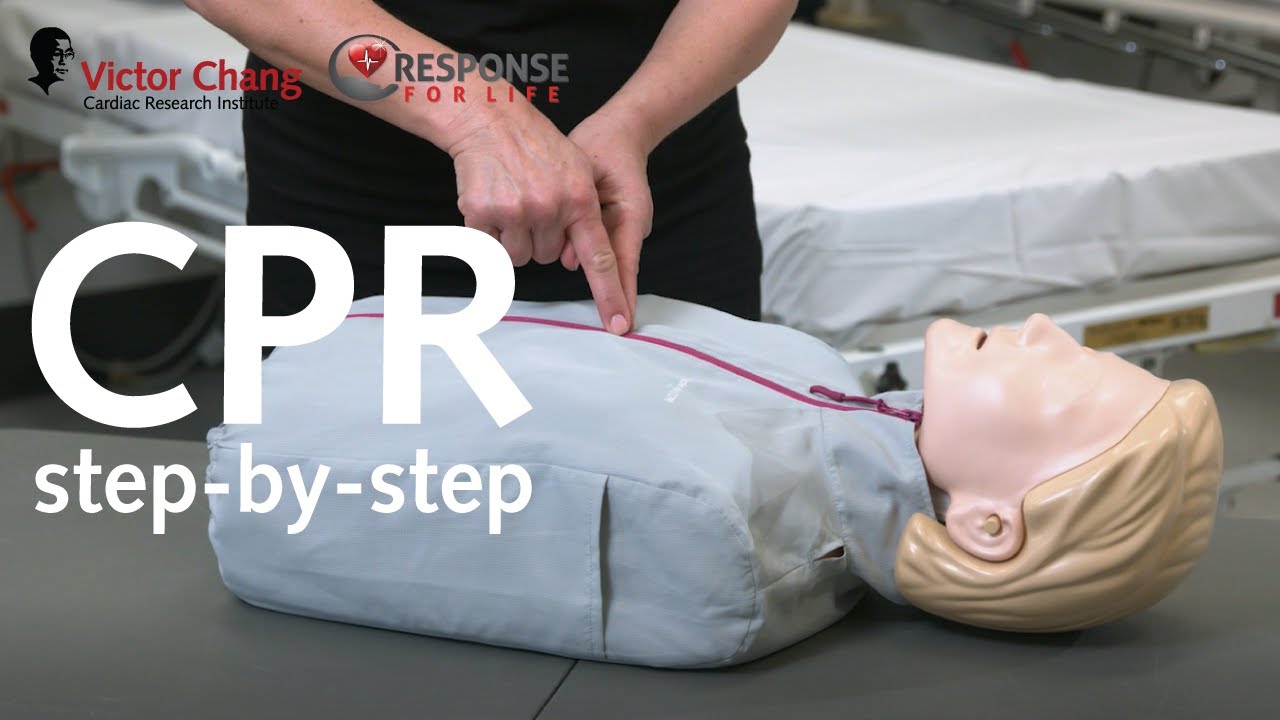
CPR abilities discolor faster than most individuals anticipate. Research reveals measurable decrease in compression quality and recall within three to 6 months, also among medical professionals first aid course availability near me that utilize CPR in simulations. For the remainder people, a year without method can turn a positive feedback right into doubt. A sturdy CPR refresher course brings back muscle mass memory, develops decision-making, and brings you according to the current proof. If your workplace calls for a current first aid certificate, or you merely would like to know you can progression in a situation, requalifying is among the highest‑value hours you can invest.
I have actually educated hundreds of learners in first aid and CPR, from childcare educators to fitness personnel and remote work crews. The important things they share is not a love of phrases or flowcharts. They want useful confidence. They wish to know that when a genuine individual quits breathing, they will move with purpose, not freeze over a neglected ratio. A solid cpr correspondence course does specifically that.
How usually should you rejuvenate, really?
Most regulatory authorities and insurance providers recognise one year as the optimum interval for CPR requalification. If you hold a first aid and cpr certification packed with each other, you will commonly see support that CPR is restored yearly, while the more comprehensive first aid course is renewed every three years. This staggered timetable mirrors exactly how vital and time-sensitive CPR is, and exactly how swiftly the fine points wear down without hands-on practice.

Still, regularity depends on direct exposure. If you are a moms and dad or trainer with occasional threat situations, annual cpr training is ideal. If you function around water, hefty devices, or groups, think about a much shorter cycle, every 6 to 9 months. I have actually seen lifeguards preserve near-perfect compressions with quarterly ten-minute drills. Little, constant method beats one long session every number of years.
What a modern-day CPR refresher need to include
Effective refreshers are not a slide program with a fast tick-the-box test. They are skill-centric, time-efficient, and aligned to existing guidelines. Anticipate these elements in a top quality cpr course:
Scenario-driven practice that mirrors your most likely atmospheres. If you operate in early childhood years, you need to practice baby and youngster compressions, airway positioning, and choking relief up until the motions are smooth. If you are on a building and construction website, your technique should include limited areas, noisy backgrounds, and coordination with a spotter.
Updated proportions and formulas, educated with the why behind them. For instance, adult compressions continue to be at a depth of concerning one-third of the chest, roughly 5 to 6 centimeters, at a price near 100 to 120 per min. Great trainers describe exactly how too-shallow first aid Rockhampton compressions reduced perfusion, while too-deep risks injury without advantage. You need to leave comprehending compromises, not stating slogans.
AED combination as a default, not a second thought. Automated exterior defibrillators are everywhere currently, from health clubs to flight terminals. A refresher course needs to have you powering on, complying with triggers, attaching pads to a mannequin in under a minute, and resuming compressions promptly after each shock advisory. Exercise with adult and pediatric pad positioning where available.
Airway skills simplified and rehearsed. The majority of bystanders wait around breaths. If your setup utilizes compression-only cpr for inexperienced -responders, your course must still cover pocket mask usage, two-rescuer coordination, and when to prioritize air flows. Youngster and infant apprehensions are often respiratory in beginning, so reliable breaths matter.
Realistic timing and exhaustion administration. 2 mins is a very long time when you are doing compressions properly. Rotations in between rescuers, suspending loud, and using a metronome can keep pace and depth within target. Good teachers compel these handovers under moderate pressure, because that is when technique has a tendency to slip.
Clear links to your wider first aid training. CPR hardly ever sits alone. Sinking, electrocution, overdose, and major bleeding can all precede or comply with a heart attack. A tight correspondence course takes another look at recognition and first actions so your action feels like a single, coherent plan.
Where a CPR refresher course fits with first aid courses
First aid and cpr course options vary by provider, yet the pattern corresponds. A complete first aid course covers scene assessment, calling for assistance, bleeding control, shock, burns, cracks, medical problems like asthma and anaphylaxis, plus cpr for all age teams. That full day develops a solid foundation, specifically if it consists of sensible terminals and practical scenarios.
A cpr correspondence course, on the other hand, tightens and strengthens. As opposed to a wide pass through lots of subjects, it focuses on compressions, air flows, AED use, and choice points like when to quit and when to proceed. For many people, the optimal rhythm is a comprehensive first aid training program every three years with yearly CPR refreshers in between. This pattern maintains your first aid certificate existing for work environment compliance while guaranteeing your most time-critical abilities stay sharp.
If you hold numerous functions or work under certain industry codes, validate the systems of expertise your company requires. Some fields need exact program codes or mixed first aid and cpr courses instead of standalone cpr courses. A reputable supplier will map your options so you do not repeat discovering or, even worse, miss a called for element.
The instance for hands-on training over online-only
I have nothing versus concept modules. Online pre-learning can reduce class time and deliver consistent standard knowledge. Yet no video will certainly instruct your fingertips what real compressions seem like. Excellent cpr training requires a manikin, body mechanics training, and feedback.
Many service providers utilize manikins with sensors that grade deepness, recoil, and rate. Learners can see a thumbs-up when they are within target, and a red or amber when strategy slides. The prompt comments transforms an obscure idea like recoil into a precise practice, and the practice persists when anxiety climbs. If your training course does not offer this feedback, you can still discover well with a conscientious teacher that cues your strategy, though anticipate to work a little harder to internalise the feel.
The other thing online-only can not supply is the noise, distance, and mess of real treatment. In a class you ought to practice rolling a person into healing position, getting rid of a mouth when safe, wiping a face seal for a pocket mask, and working out functions with an additional rescuer. Communication under time pressure, such as "You, call triple absolutely no and bring the AED, I will certainly start compressions," becomes acquired behavior with repeating. When adrenaline hits, pre-scripted communication keeps the group moving.
What changes from one guideline update to the next
You freshen not simply to bear in mind, however to upgrade. Tiny details change as fresh evidence builds up. The big concepts stay: push hard, press quick, enable full recoil, reduce disturbances, defibrillate early, ventilate properly. Yet the method we teach breaths, the focus on compression-only cpr for untrained rescuers, and the guidance for opioid-related arrests, drowning, or maternity have all developed over the previous decade.
A strong refresher course will flag the updates that matter. As an example, emphasis on premium compressions over difficult respiratory tract gizmos for ordinary -responders has actually grown. Advice on dispatcher-assisted cpr has actually reinforced, which implies you will certainly often be trained in genuine time by emergency situation phone call takers. Training that practices taking those instructions while functioning maintains you on course when your mind attempts to go blank.
Barriers that journey individuals up, and just how to defeat them
Hesitation is the very first barrier. Individuals stress over damaging ribs, catching illness, or making it even worse. An instructor needs to deal with each fear easily. Ribs can fracture, particularly in older grownups, but perfusing the mind exceeds the danger. Disease transmission from compressions alone is near zero. If you provide rescue breaths, utilize a barrier tool. Doing nothing is the larger harm.
Fatigue is the 2nd obstacle. If you push with proper deepness and speed, your arms and back will shed after a minute. The repair is technique. Lock your arm joints, stack shoulders over wrists, utilize your body weight instead of your triceps. Count out loud. Revolve every two minutes if help is available. I have actually seen slim rescuers keep target depth on a big manikin for 4 minutes once they stop muscling the movement and start leaning with it.
Environment is the third obstacle. Tight areas, soft beds, wet floorings, or a congested fitness center complicate the very best intent. In refreshers, insist on method situations that use what you actually deal with. Drag the manikin off the bed onto the flooring to obtain a company surface area. Make use of a towel to dry a breast before attaching AED pads. Clear sufficient space to kneel at breast level. Eliminate underlayers if required to place pads appropriately. These information audio little till they take a min in real life.
How much time you require to gain back competence
A focused cpr refresher course generally runs 1.5 to 3 hours, depending upon group dimension and whether theory is done ahead of time. Because window, you need to access least two strong rounds of compressions for two mins each time, practice with an AED, and run short situations that build choice rate. If your schedule is limited, seek blended knowing. Total the understanding inquiries online, then participate in a shorter useful session. The complete time dedication can fall under two hours while still fulfilling standards.
For workplaces renewing many team simultaneously, an instructor can rotate pairs with manikin terminals successfully. In a group of eight, each person can still log more than ten mins of comprehensive CPR and first aid courses top quality compressions and several AED cycles if the session is run firmly. Ask your service provider concerning student‑to‑manikin ratios. Anything worse than 6:1 begins to limit hands-on time. Ideal method sits at 3:1 or 4:1.
Choosing a carrier you can trust
The market is crowded, and not every first aid pro runs the same quality session. Look past cost. Review whether the supplier:
- Uses current standards and issues an acknowledged first aid certificate aligned to your industry or regulator. Guarantees actual manikin time with responses, not simply observation. Integrates AED practice and age-appropriate variations for grown-up, child, and infant. Provides pre-course products that improve your in-person time without changing it. Offers clear revival support for first aid courses and cpr courses so you can prepare ahead.
When you talk to an organiser, describe your setting. A health club requires circumstances regarding unexpected collapse and exercise-induced arrhythmias. A coffee shop needs choking action, burns, and blade injuries linked to cpr decision points. A building and construction website requires electrocution and crush situations. The difference between a forgettable course and a memorable one is generally how well the fitness instructor translates generic enter the globe you inhabit.
What success appears like by the end of a refresher
You should go out with 3 things. Initially, a body memory of excellent compressions. If I ask you a week later to reveal me the first thirty compressions on a cushion, your rhythm should snap into location, and your arm joints must lock without thought. Second, a clean AED series. Power on, comply with prompts, pads in the appropriate places, no one touching the client during evaluation, resume compressions quickly after a shock or no-shock advisory. Third, mental quality on when to begin, when to include breaths, and when to quit or hand over.
Most providers will run a brief analysis at the end. Do not treat it as a test to pass, treat it as a chance to ingrain the pattern. If you fail on an action, ask to duplicate it. Spaced rep issues. A final two-minute round after responses will do even more for your long-term retention than any published booklet.
The AED factor, demystified
Years ago AEDs looked like professional equipment. Now I anticipate to see them on the wall of any kind of website that holds more than a handful of people. If you are uncertain where yours is, deal with that today. In a refresher course, ask to manage the exact design you have on site ideally. Distinctions are small, but pad packaging, cable television routing, and battery signs vary.

Two functional pointers. Shave or clip hefty chest hair quickly if pads do not stick well, however do not lose time on excellence. Dry a damp chest to avoid arcing and boost pad call; a towel or perhaps a clean shirt will do. Avoid positioning pads over drug spots or implantable gadgets like pacemakers; relocate the pad an inch to the side if needed. None of this must postpone the first pad a lot past a few secs. Get them on, and allow the device do its job.
Dealing with unique situations
Opioid overdose, drowning, trauma, and maternity transform your priorities a little, yet the heart of CPR stays. If you suspect opioid overdose, ventilations gain relevance since the primary problem is respiration, not an electrical issue in the heart. If you have accessibility to naloxone, administer it as trained, then continue CPR as shown. For drowning, clear visible water from the mouth and start breaths immediately in addition to compressions. For major injury with serious blood loss, control the hemorrhage quickly while initiating compressions if the individual is pulseless and not breathing. In late pregnancy, a slight left tilt can reduce stress on the vena cava, and AED pads ought to stay clear of the abdominal area customarily. Your first aid and cpr courses need to cover these subtleties. If they do not, ask your trainer to add scenario time for them.
Renewal, records, and planning ahead
Workplaces often scramble in the recentlies before certifications run out. It is not needed. Develop a basic calendar. Note your cpr course expiration 10 months after concern, not 12, so you have a comfy home window. If multiple staff need refreshers, stagger dates so you keep protection. After a huge intake, run a tiny in-house drill every quarter. Two mins of compressions and an AED power-on can be a standing program thing for a group conference. Practical micro-rehearsal keeps your first aid abilities alive between formal sessions and makes the following refresher easier.
Keep electronic duplicates of your first aid certificate and CPR card where your supervisor can access them. Some service providers preserve portals with tips. Utilize them, however do not depend solely on them. If you transform tasks, your own calendar remains.
A short story from the field
Several years earlier, a coffee shop manager rang to book an exclusive first aid training session for her weekend staff. She desired a short cpr refresher course with choking consisted of. We set up before opening up, pushed two tables together for manikins, and walked through a solitary scenario: lunch thrill, a routine collapses near the register. Team had to divide jobs. One called for aid, one got hold of the AED from the drug store following door, two removed the location and started compressions.
The initial run was messy. The customer did not know the street number, the AED jogger thought twice to leave the building, compressions were as well shallow. We stopped briefly, corrected, duplicated. By the third run, they relocated as one. 2 months later on, they had a genuine occasion. They toenailed the script. Rescue showed up to a patient that had gotten early defibrillation and continuous compressions. He endured. The manager informed me later on the team seemed like they had actually done something average, not brave, since they had already lived the minute 3 times. That is the power of targeted refreshers.
What you can do today
If your skills really feel rustic, do not await the following audit. Reserve a cpr refresher course with a company that takes hands-on practice seriously. If you have actually never ever completed a full first aid course, begin there, after that lock in annual refresher courses. If you are in charge of a team, walk to your AED, open it, and check the pads and battery status. Place a tip in your phone to evaluate your memory next month: thirty compressions on a pillow, imagine pad positioning, claim out loud that you would certainly send out for aid. Confidence is not a personality type. It is the by-product of rehearsal.
Below is a basic list you can use before your next session to maximize it:
- Confirm your certificate expiry dates and needed units with your company or regulator. Ask the company regarding manikin proportions, AED technique, and infant/child components. Wear comfy apparel that allows kneeling and stable arm positions. Bring concerns from your atmosphere, like gym tools dangers or pool settings. Plan a brief quarterly drill post-course to keep abilities from fading.
A final word on mindset
People commonly mount CPR as an all-or-nothing act, something only heroes or specialists can deliver. That sight slows down activity. The truth is less complex. Any kind of cpr, even imperfect, is much better than none. A fast first aid refresher places the very best version of that truth in your hands. You learn to relocate early, decrease stops, and let the AED guide you. You discover what great compressions feel like in your bones. That experience, not bravado, is what brings you through.
The following individual who requires assistance may be a coworker, a customer, or someone you enjoy. When it happens, you will certainly not have time to examine. You will fall to the degree of your training. Make that degree high. Select a strong program, exercise with intent, and requalify prior to uncertainty sneaks in.